1. Introduction to Growing Aromatic Plants on Your Balcony
In urban environments, where green spaces can be limited, cultivating aromatic plants on your balcony transforms not just your outdoor space, but also enhances your quality of life. Not only do these herbs provide fresh flavors for your cooking, but they also offer aromatic benefits that can uplift your mood and refresh your living space. Growing your own herbs can be both rewarding and practical, allowing you to add a touch of nature to your home while promoting sustainability. Learning how to grow aromatic plants on the balcony is an enjoyable hobby that requires minimal space and can yield delicious results right at your fingertips. When exploring options, how to grow aromatic plants on the balcony provides comprehensive insights that guide both novice and experienced gardeners alike.
1.1 Benefits of Balcony Herb Gardens
Having a balcony herb garden offers several advantages. Firstly, aromatic herbs are space-efficient; they can thrive in small pots, making them ideal for limited areas. They also enrich the culinary experience by providing fresh herbs for everyday meals, enhancing flavors in ways that dried alternatives cannot. Moreover, aromatic plants like basil, mint, and rosemary can fill your outdoor space with their delightful scents, transforming your balcony into a fragrant sanctuary. Lastly, nurturing a garden can be a therapeutic activity, alleviating stress and promoting mental well-being.
1.2 Overview of Aromatic Plants Suitable for Beginners
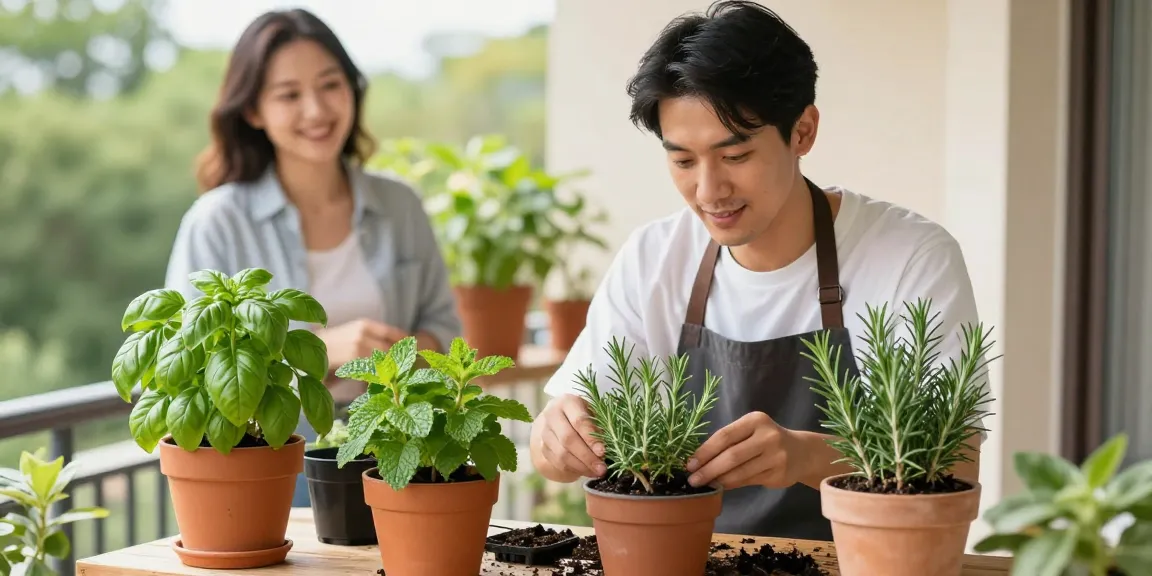
For those new to gardening, certain aromatic plants stand out as more forgiving in terms of care requirements. Basil, rosemary, thyme, sage, and mint are among the easiest herbs to cultivate. These plants not only flourish with minimal effort but are also resilient to common beginner mistakes, making them perfect for those just starting their gardening journey.
1.3 Preparing Your Space for Optimal Growth
Before embarking on your balcony herb garden adventure, it’s crucial to prepare your space adequately. Ensure your chosen spot receives at least 4-6 hours of sunlight daily, as most aromatic herbs thrive in bright conditions. Additionally, assess your balcony for wind exposure and temperature fluctuations. Consider creating windbreaks or using balconies that are shielded from harsh conditions. With the right environment set up, you’re well on your way to a thriving mini herb garden.
2. Choosing the Right Aromatic Plants
2.1 Easiest Herbs to Grow in Small Spaces
The best herbs for beginners include:
- Basil: Known for its versatility in cooking, it thrives in warm conditions and needs frequent watering.
- Rosemary: This Mediterranean herb is drought-tolerant and perfect for those who might forget to water regularly.
- Thyme: Low-maintenance and adaptable, thyme flourishes in sunny environments.
- Sage: With its silvery leaves, sage is hardy and requires minimal attention.
- Mint: Fast-growing and vigorous, it’s best kept in its own pot to prevent it from taking over.
2.2 How Sunlight Affects Plant Selection
Understanding sunlight requirements is essential when selecting your herbs. Most aromatic herbs prefer full sun (at least 6 hours), but there are exceptions. For instance, mint enjoys partial shade, while rosemary and thyme thrive under full sun. Always check the specific needs of each herb to ensure optimal growth and health.
2.3 Best Practices for Mixing Herbs in Containers
When creating a mixed herb garden in one pot, it’s essential to group plants with similar needs. For instance, rosemary and thyme can coexist, while mint should be isolated due to its invasive roots. Ensure that all selected herbs can thrive under similar light and watering conditions for best results.
3. Essential Gardening Supplies and Techniques
3.1 Selecting Pots and Soil for Aromatic Herbs
Choosing the right pots is critical. Look for containers that are at least 20 cm deep with drainage holes to prevent water from pooling at the bottom, which can lead to root rot. Lightweight potting soil designed for herbs provides the necessary drainage and nutrients. Terracotta pots are particularly favorable, as they allow the soil to breathe.
3.2 Basic Kit for Starting Your Mini Herb Garden
Your basic gardening kit should include:
- Quality pots with drainage
- Potting soil suitable for herbs
- Watering can with a spout for controlled watering
- Gardening gloves for easy handling
- Scissors or shears for harvesting herbs
3.3 How to Properly Water and Maintain Your Herbs
Watering is where many first-time gardeners falter. Aromatic herbs prefer slightly dry conditions, particularly Mediterranean varieties like rosemary and thyme. Allow the top inch of soil to dry out before watering again to avoid overwatering. Seasonal care, including pruning and fertilization, will also play a pivotal role in the health and yield of your herbs.
4. Common Mistakes and How to Avoid Them
4.1 Overcoming Watering Issues with Aromatic Plants
Overwatering is one of the most common mistakes made when growing herbs. Be attentive to the needs of your specific plants, and adjust your watering schedule accordingly. Utilizing pots with good drainage can help mitigate some of these issues by preventing excess water from lingering in the soil.
4.2 Identifying Signs of Stress and Poor Health
Being able to recognize signs that your plants are stressed can save them from more serious issues. Yellowing leaves, wilting, or stunted growth all indicate that something may be wrong, often connected to improper watering or insufficient light.
4.3 Tips for Seasonal Care and Repotting
As seasons change, so do the care requirements for your herbs. In warmer months, your plants will require more water and potentially more nutrients. Conversely, during colder periods, be mindful of frost exposure and consider bringing delicate herbs indoors. Typically, repotting should occur every 1-2 years to give plants fresh nutrients and more space to grow.
5. Organizing Your Mini Herb Garden
5.1 Creative Ways to Maximize Space on Your Balcony
Taking advantage of vertical space can greatly expand your balcony garden’s potential. Utilize wall planters, hanging pots, or tiered shelves to create a stunning display of herbs without sacrificing ground space. This not only maximizes your area but adds visual appeal to your balcony garden.
5.2 Planning Your Garden Layout for Efficiency
When planning your layout, consider plant compatibility, space, and sunlight exposure. Arranging taller plants at the back allows them to maintain optimal sunlight while shorter ones can bask in the front. A well-planned garden layout can lead to healthier plants and easier tending.
5.3 Sharing the Harvest: Using Herbs in Cooking
The true joy of growing herbs comes when you utilize them in your kitchen. Freshly picked basil, rosemary, and sage can add tremendous flavor to dishes. Consider how you’ll use each herb when planning your garden, ensuring that you have the right quantity and varieties for your cooking needs.
FAQs
How often should I water my aromatic plants?
Regular watering is crucial, but avoid overwatering. Most aromatic plants appreciate their soil drying out between waterings. A good rule of thumb is to water when the top inch of soil feels dry.
Can I grow herbs together in one pot?
Yes, but ensure that the herbs share similar needs in terms of light and water. Grouping plants like rosemary and thyme together can work well, while mint should always be kept in its own pot.
Which herbs thrive in partial sunlight?
Generally, mint and parsley can tolerate partial sunlight, making them ideal choices if your balcony doesn’t get full sun throughout the day.